Products
Contact Us
◉ Product Description
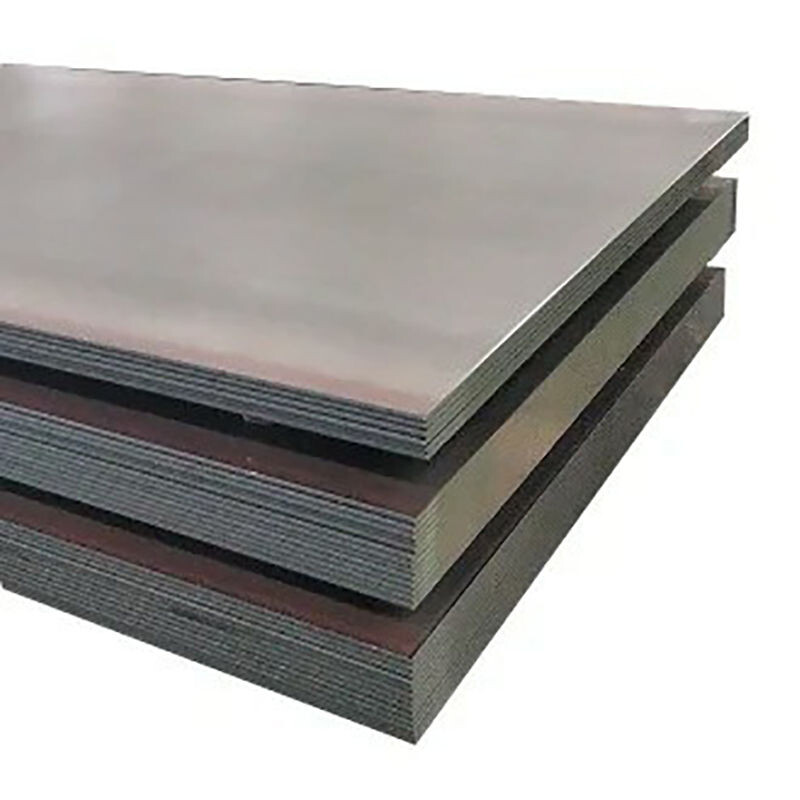
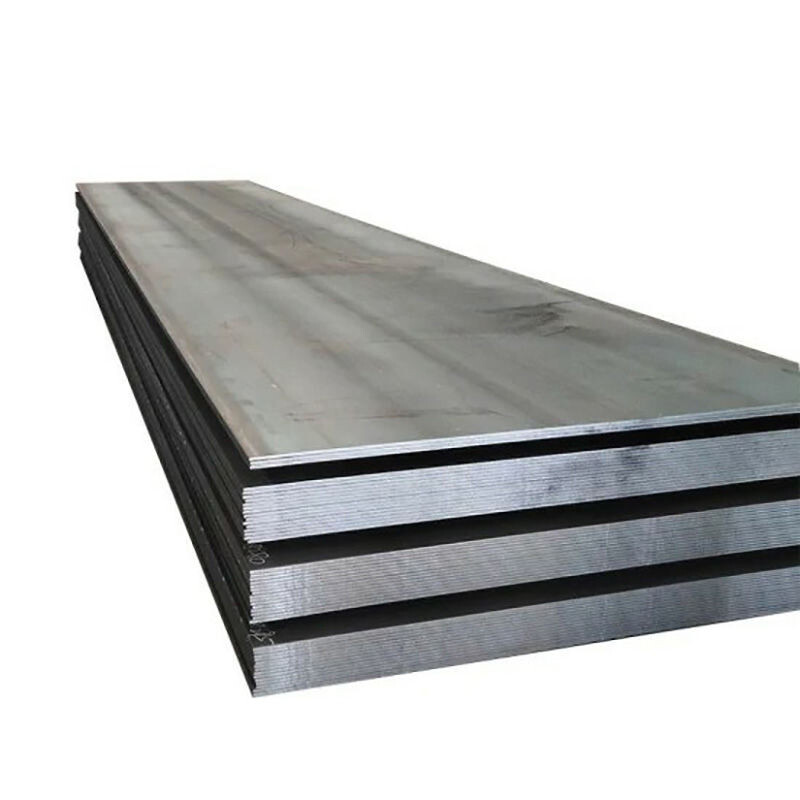
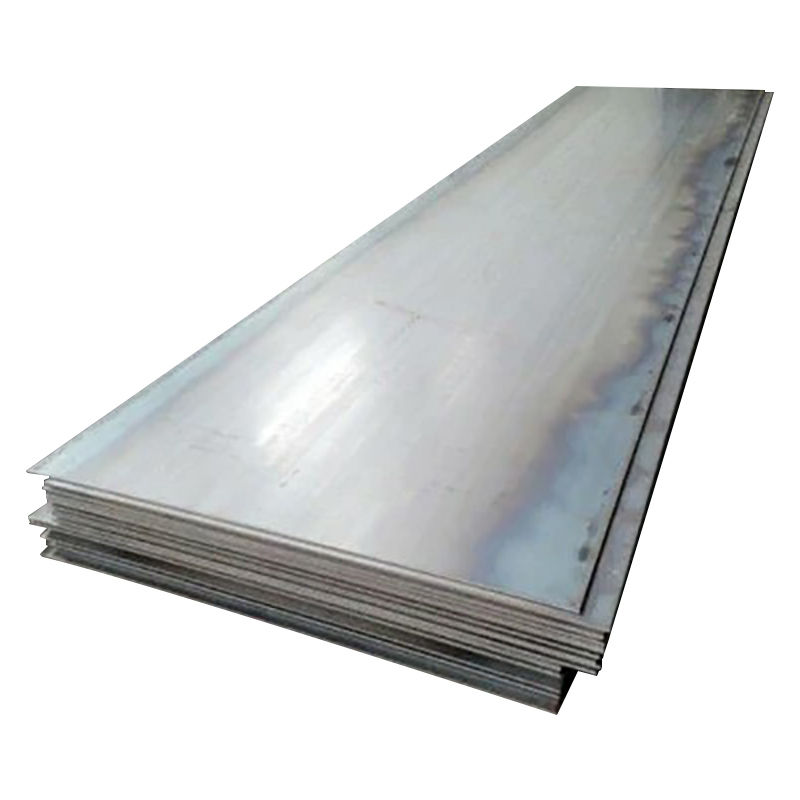
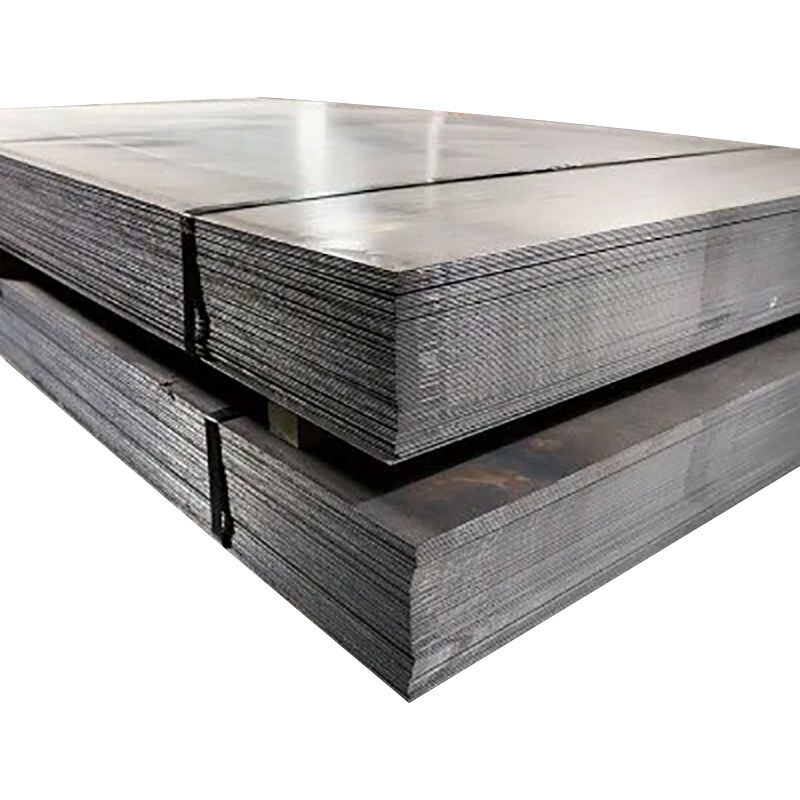
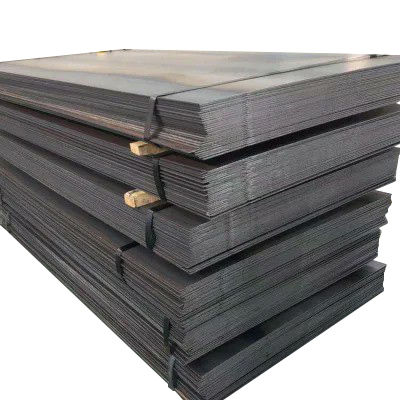
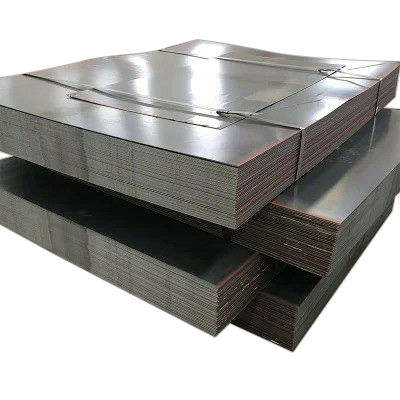
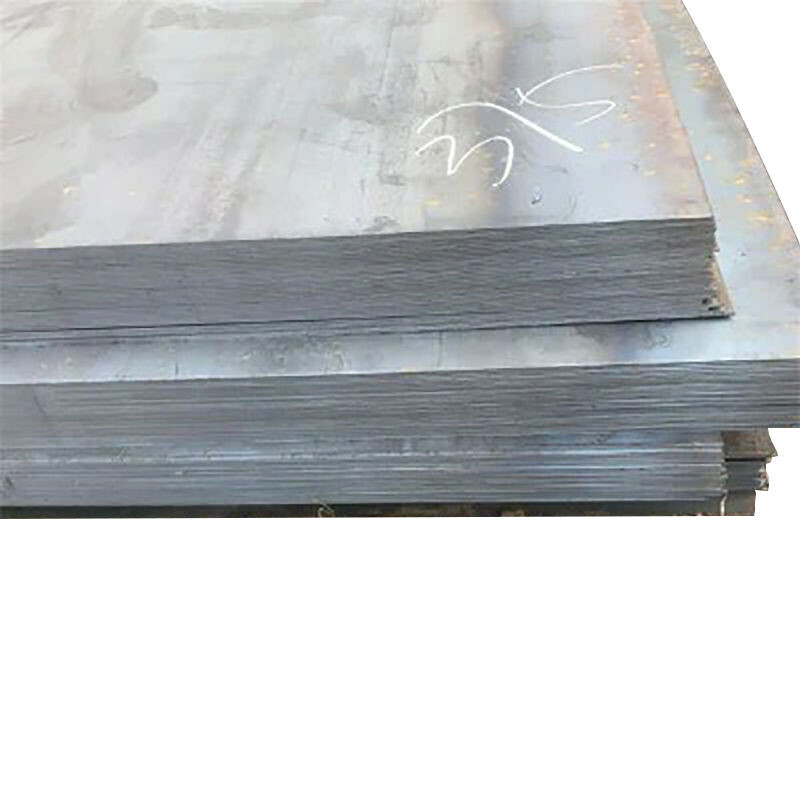
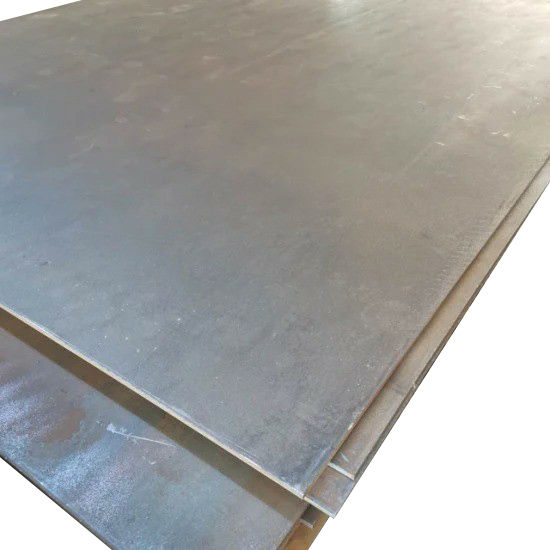
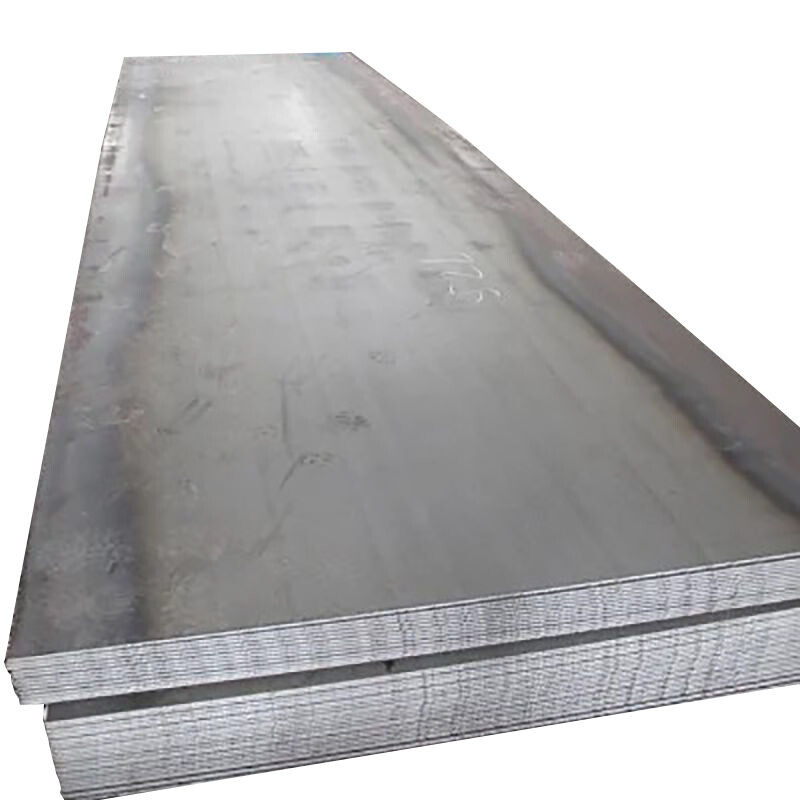
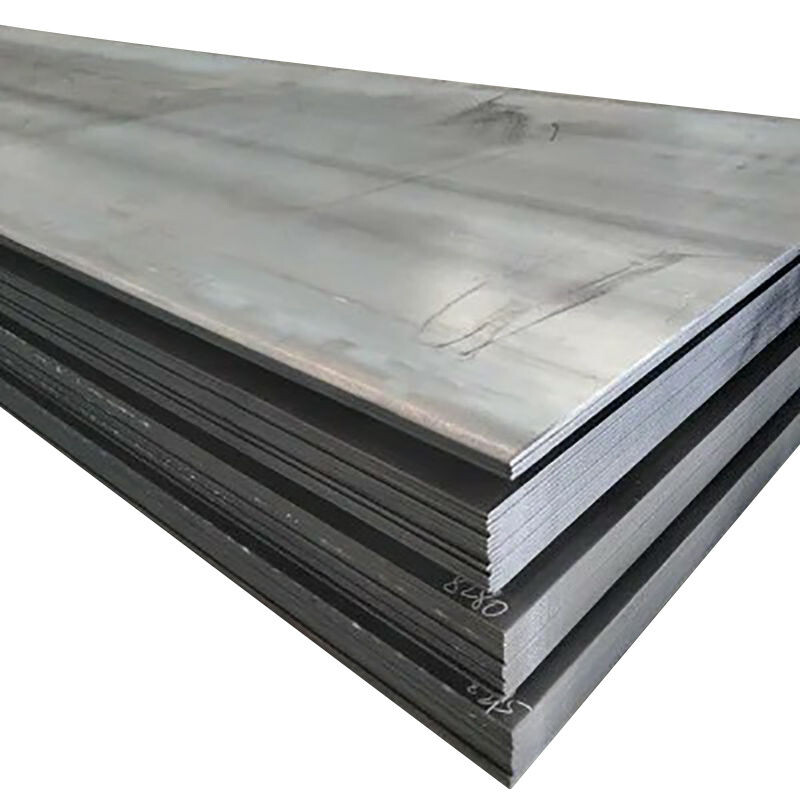
Carbon steel, on the other hand, has far lower chromium levels, and is instead a carbon-iron alloy with only a few other materials, if any, as part of its makeup. As a result, it can be referred to as ‘low-alloy’ steel. Both stainless steel and carbon steel feature this basic composition, but carbon steel can be defined by its carbon content. This is normally around 2-2.5%, however this often varies. Though susceptible to rust unlike stainless steel, carbon steel is often cheaper and has its own varying mechanical properties based on carbon content.
Low-carbon steels are weaker and softer, but can be machined and welded easily; while high-carbon steel is stronger, but significantly harder to process.
Types of Carbon Steel
The defining element of any carbon steel alloy is its carbon content, and so this is how the various types of carbon steel are ordered and categorised.
Low-carbon steel: the most widely used form of carbon steel, with a carbon content of less than 0.25% - they are usually relatively weaker and softer but more easily welded and ductile, and so are often used to machine and weld for a low cost
Medium-carbon steel: with a carbon content of 0.25-0.6%, and a manganese content of 0.6-1.65%, these metals can be improved via heat treatment, though this can only be performed on very thin sections unless additional alloying elements are added – these steels are stronger but less ductile than lower-carbon steels
High-carbon steel: this is the hardest and toughest carbon steel, with the lowest ductility, very wear-resistant and almost always hardened and tempered – they tend to have a carbon content from 0.6-1.25% and a manganese of 0.3-0.9%
Advantages
Increased strength
Less expensive than stainless steels
Wear-resistant
Durable and shock resistant
Safe to handle and work with compared to other metals
Environmentally-friendly and easy to recycle

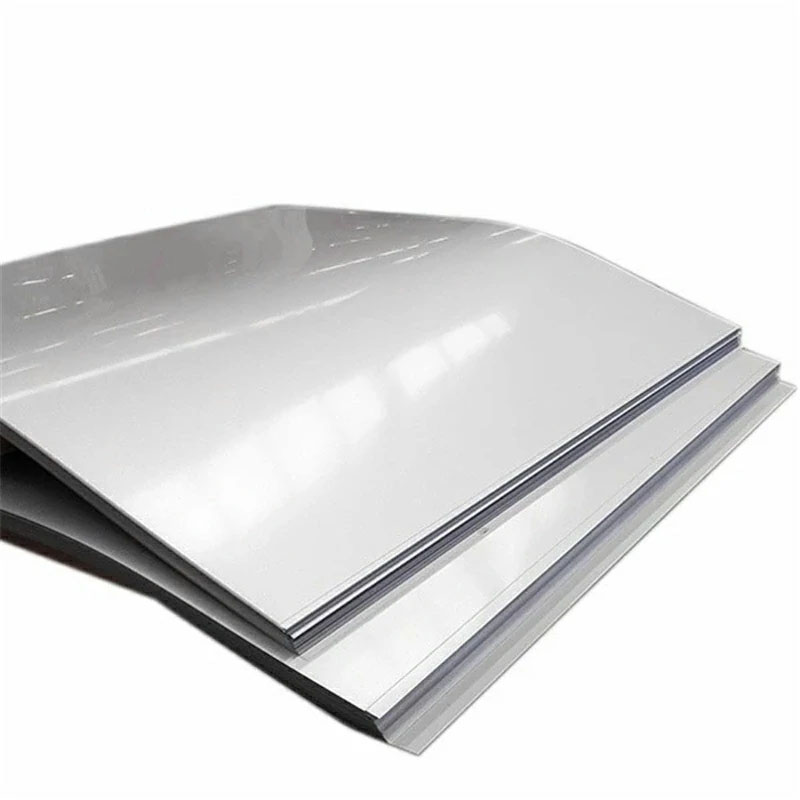
Carbon Steel Sheet Description
Chemical Composition
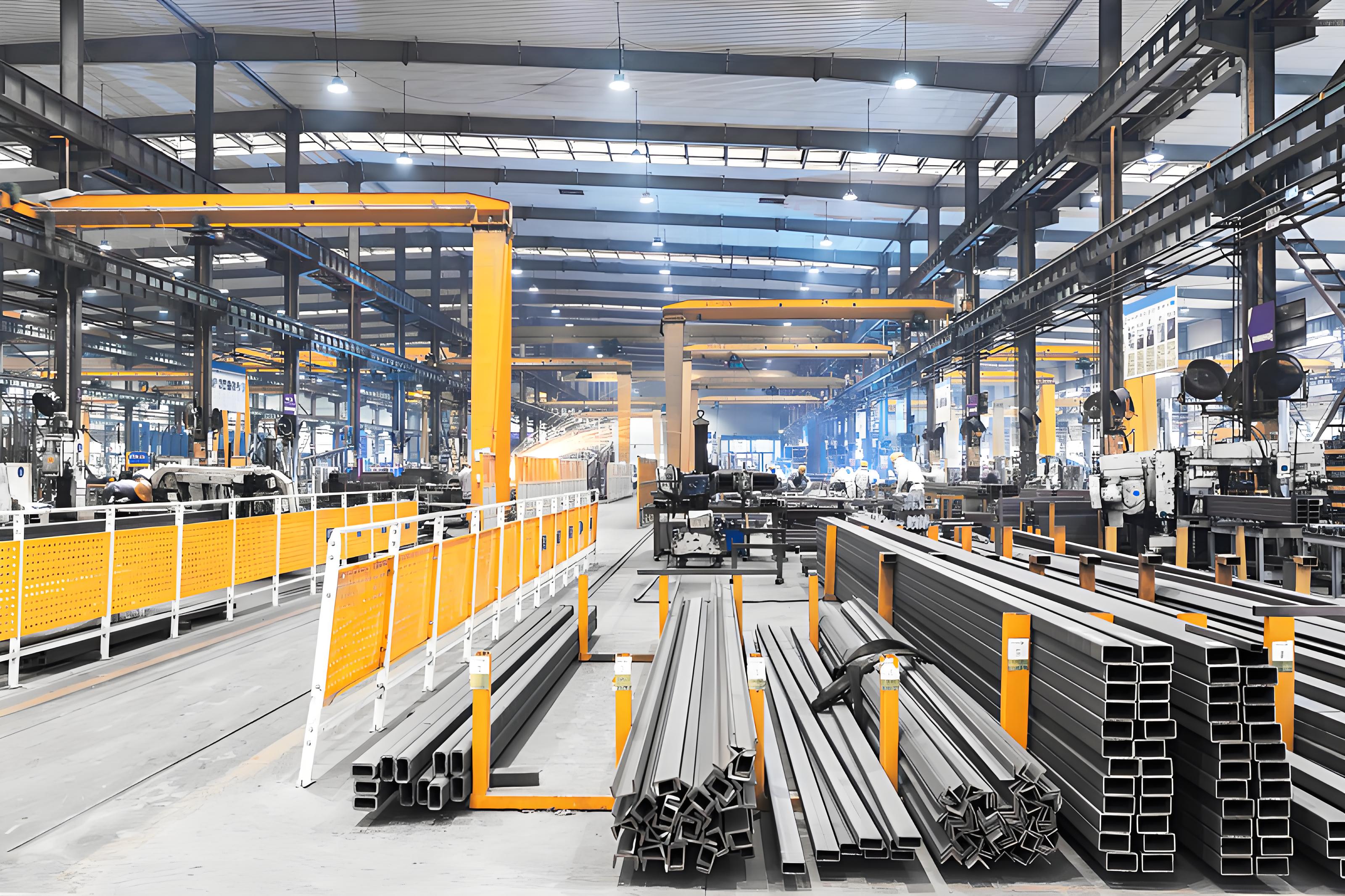
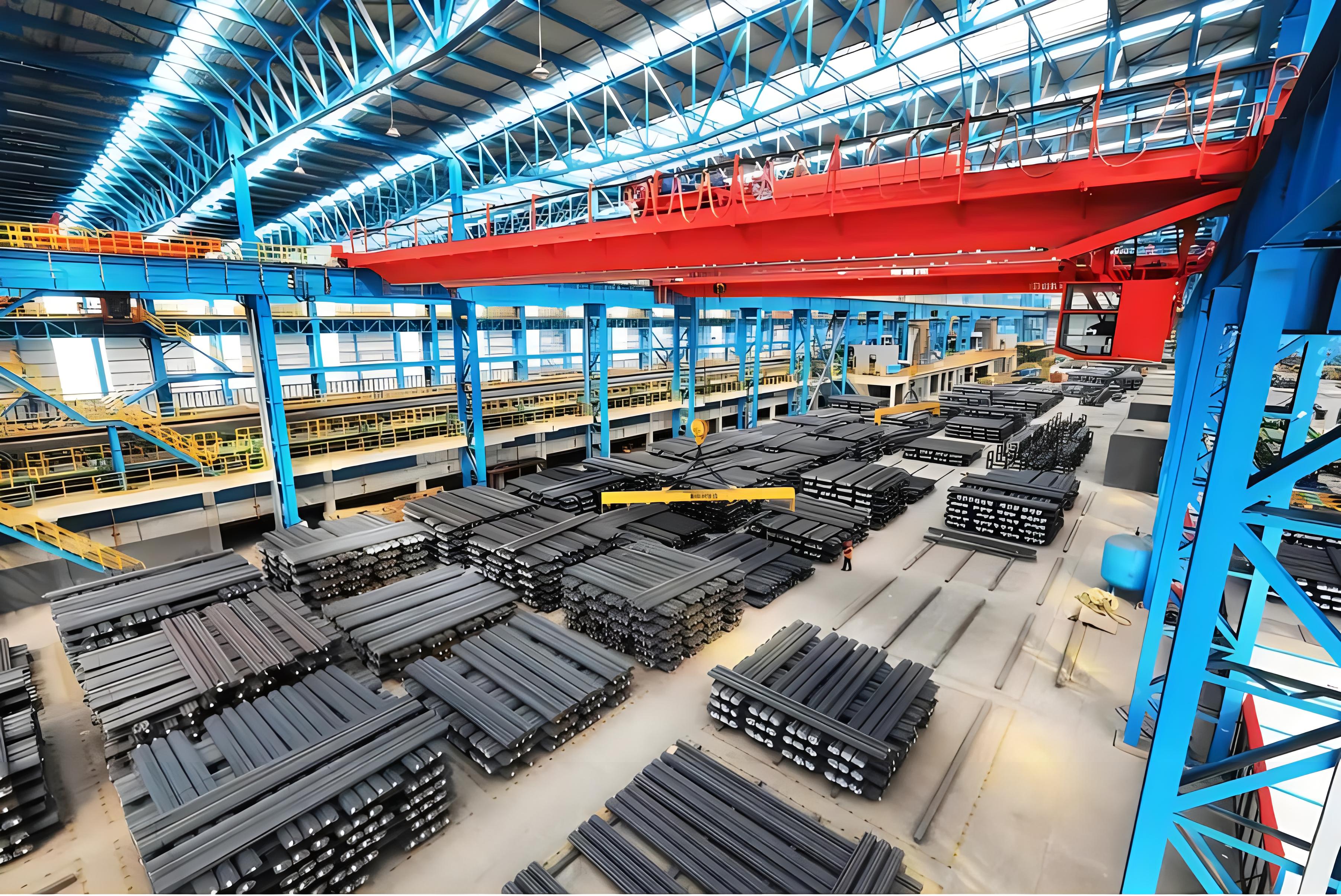
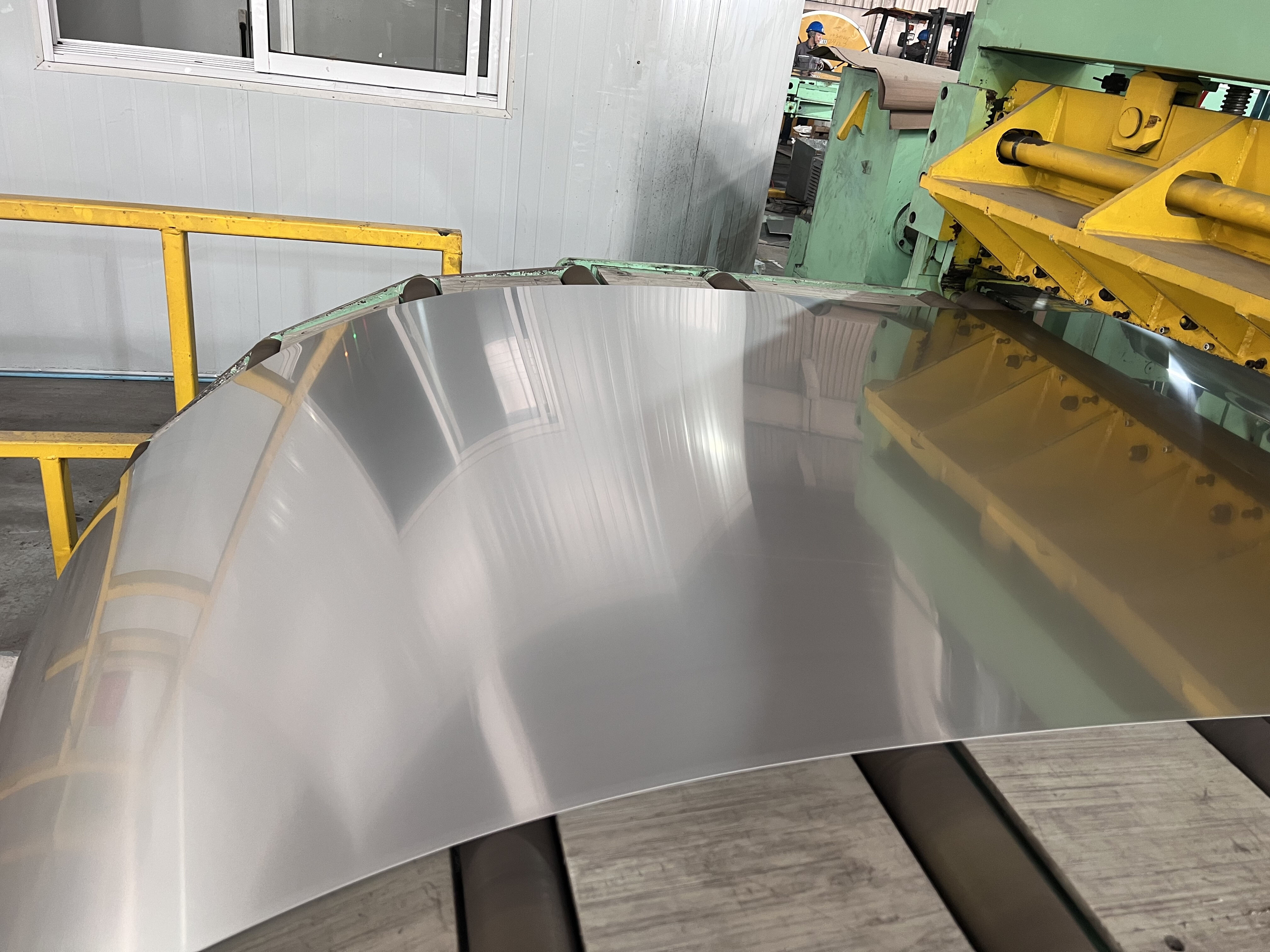
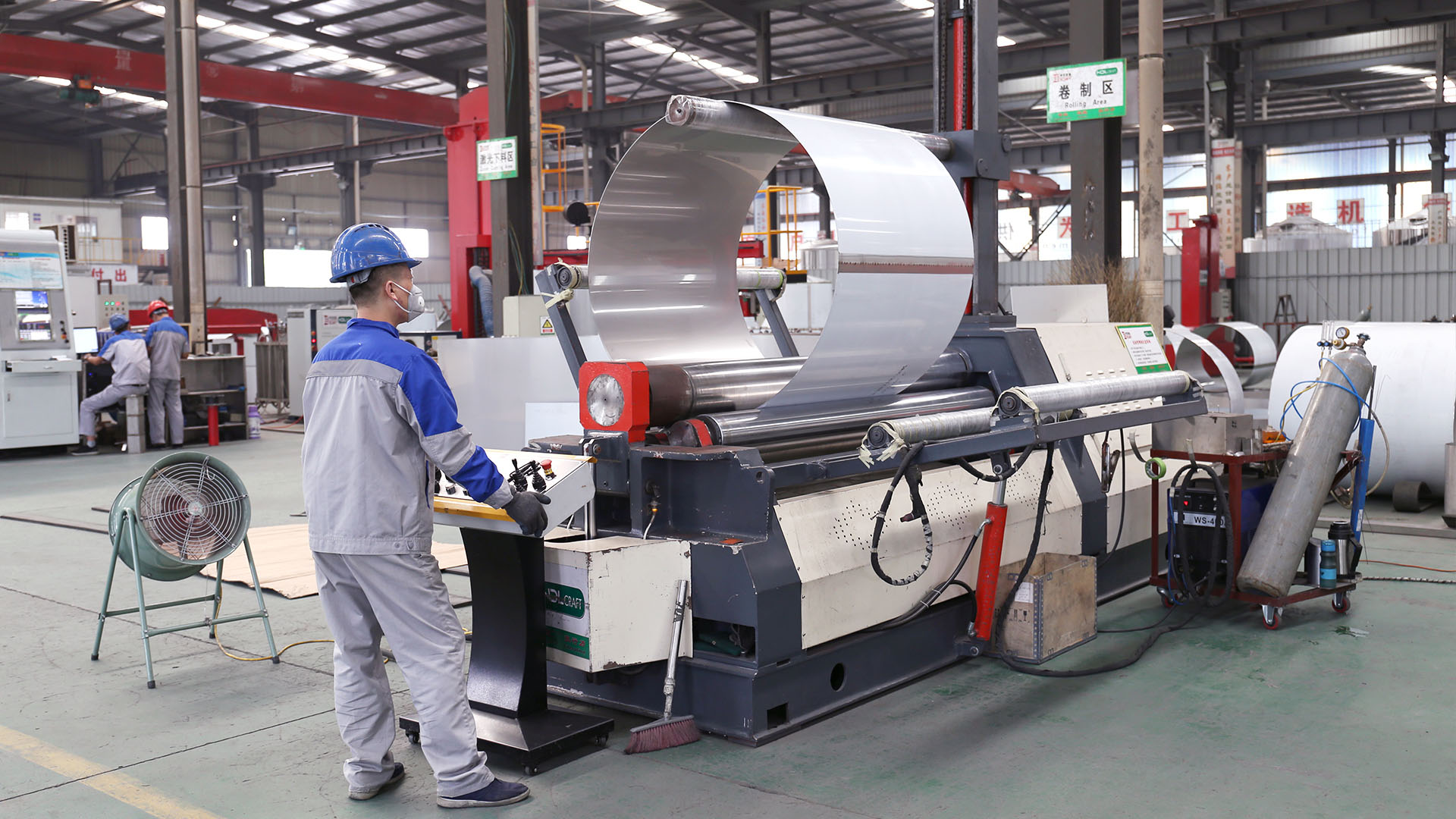
◉ Factory Display
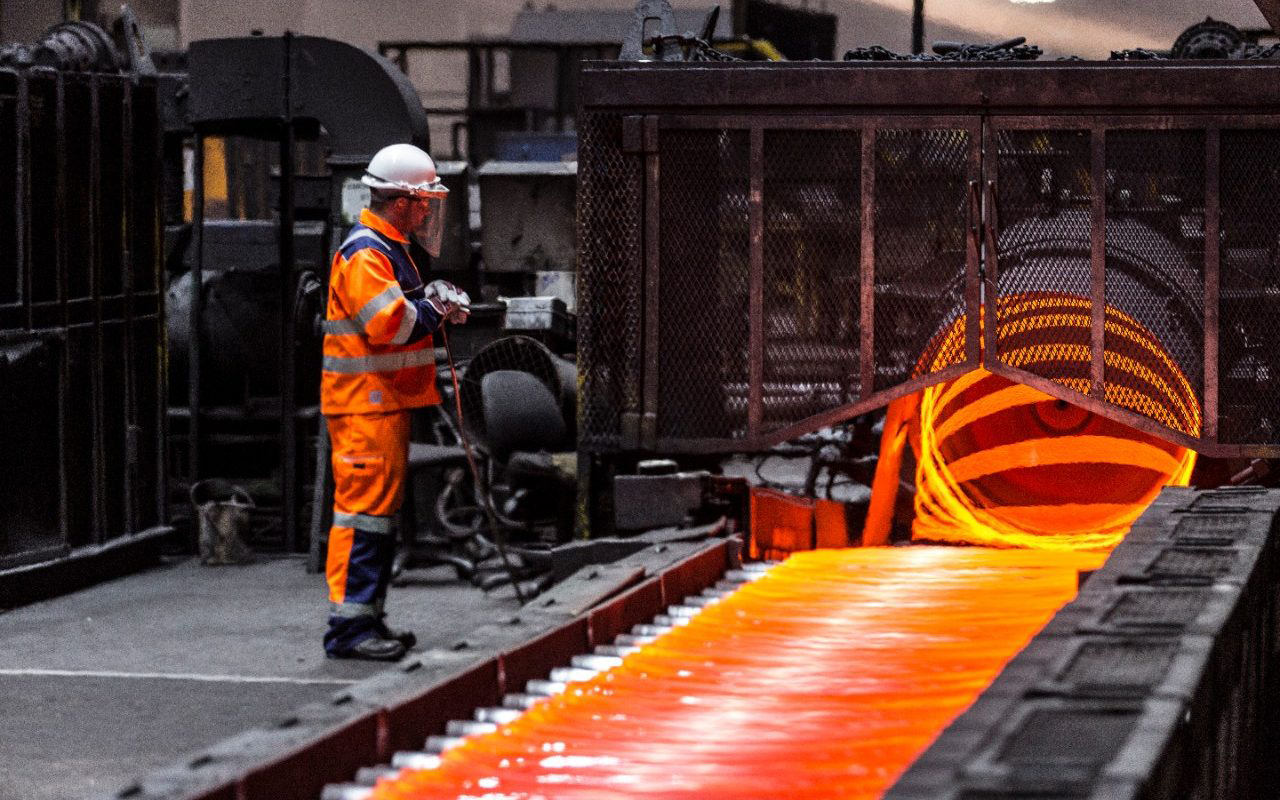
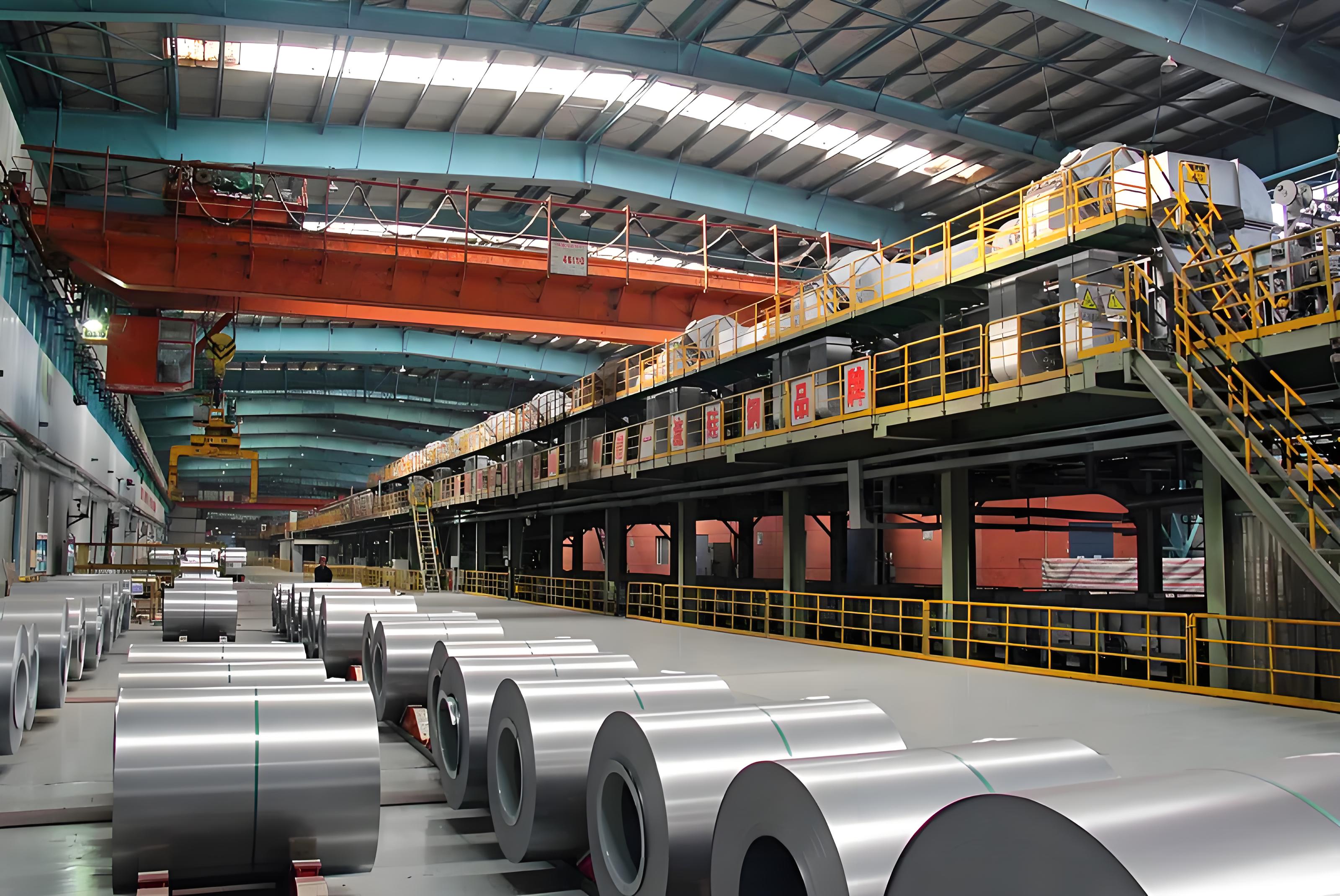
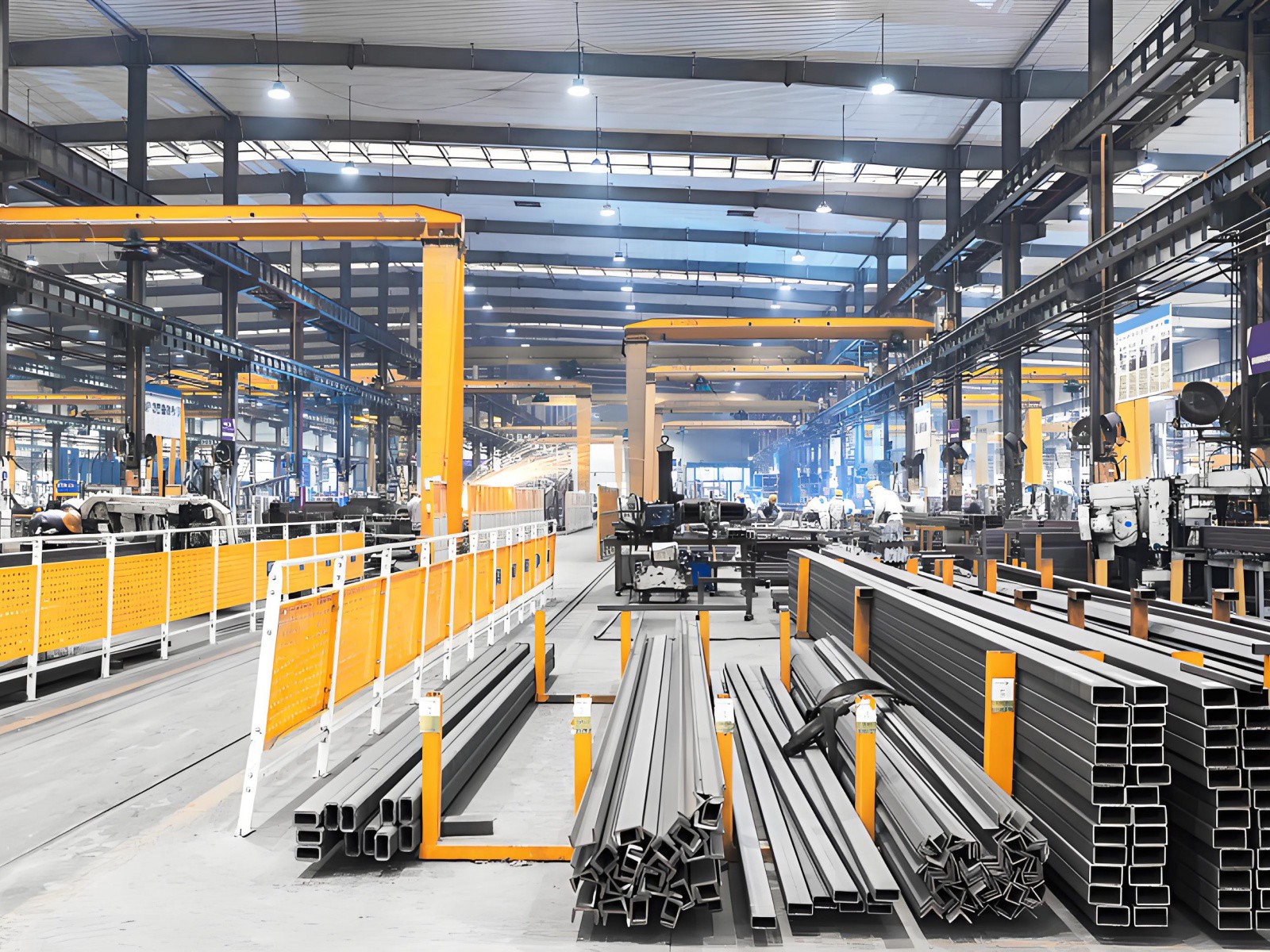
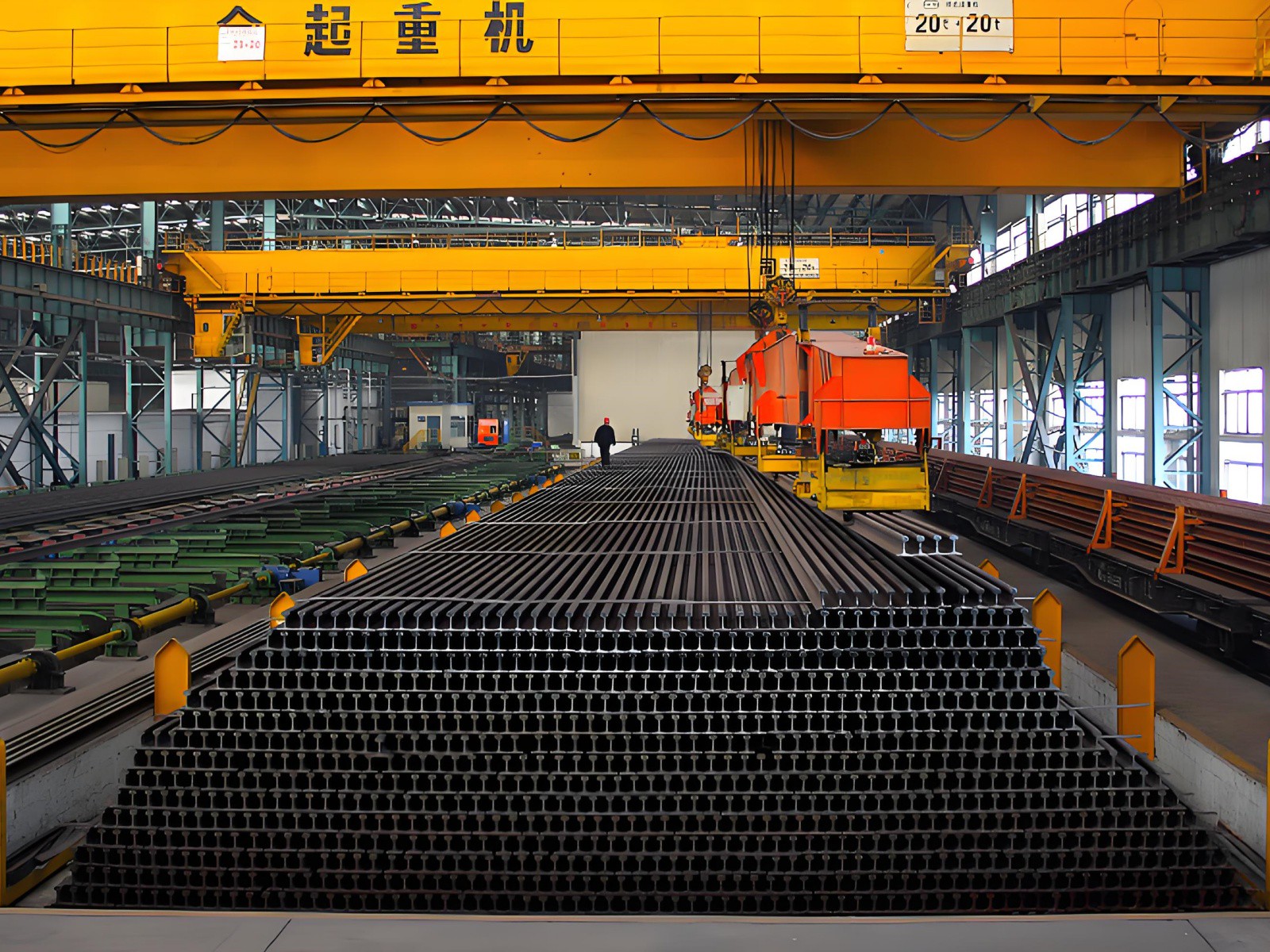
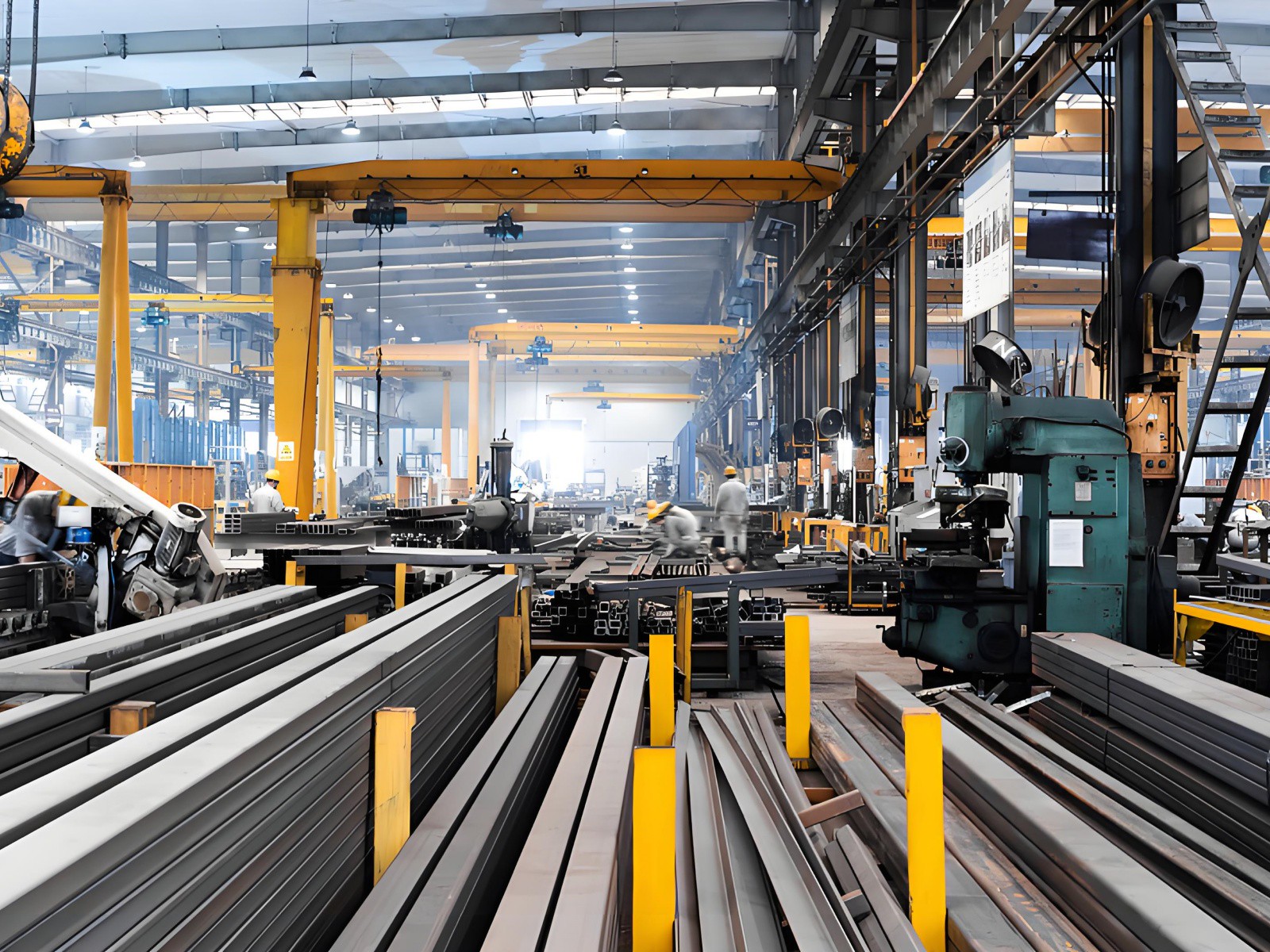
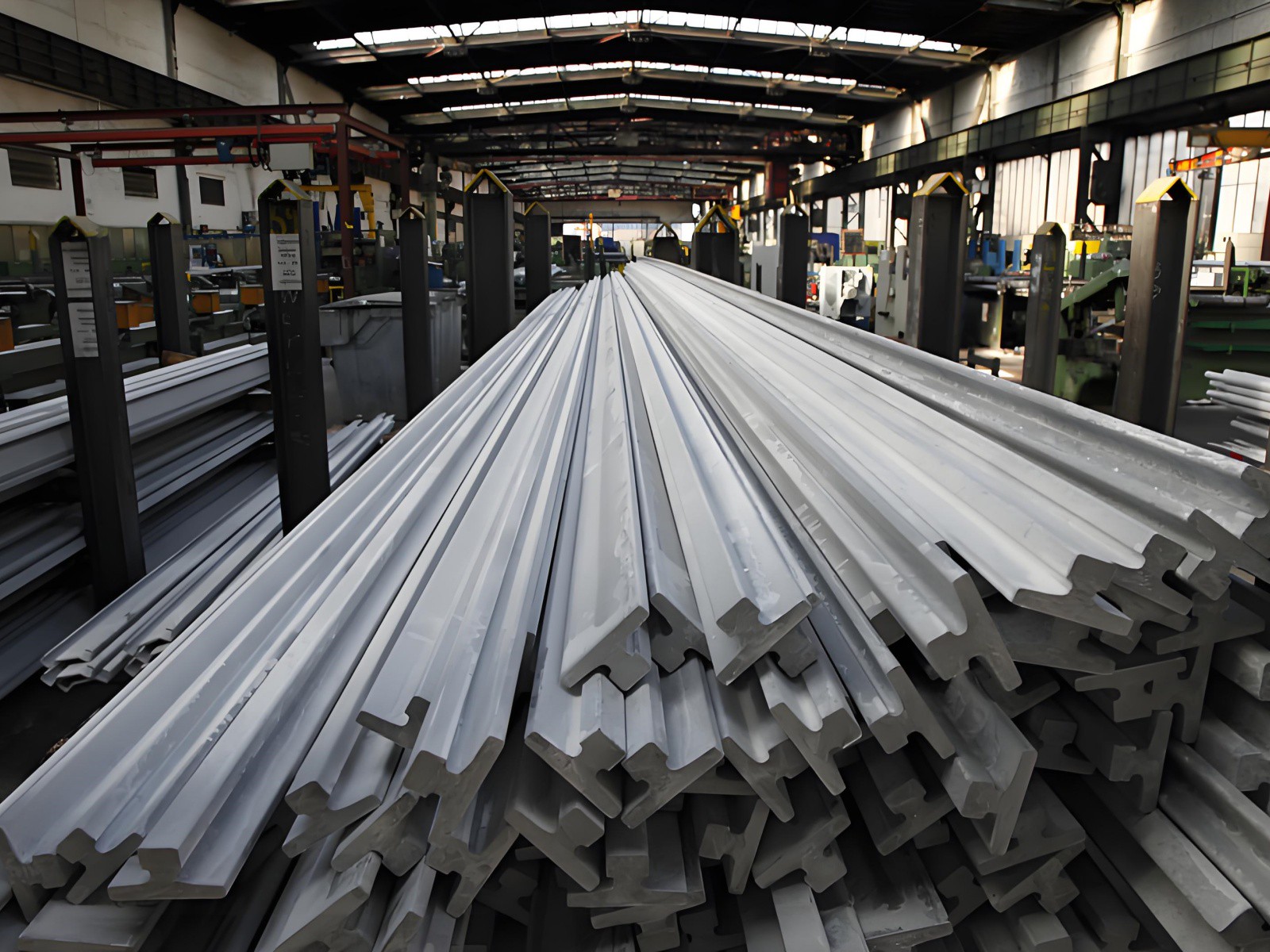
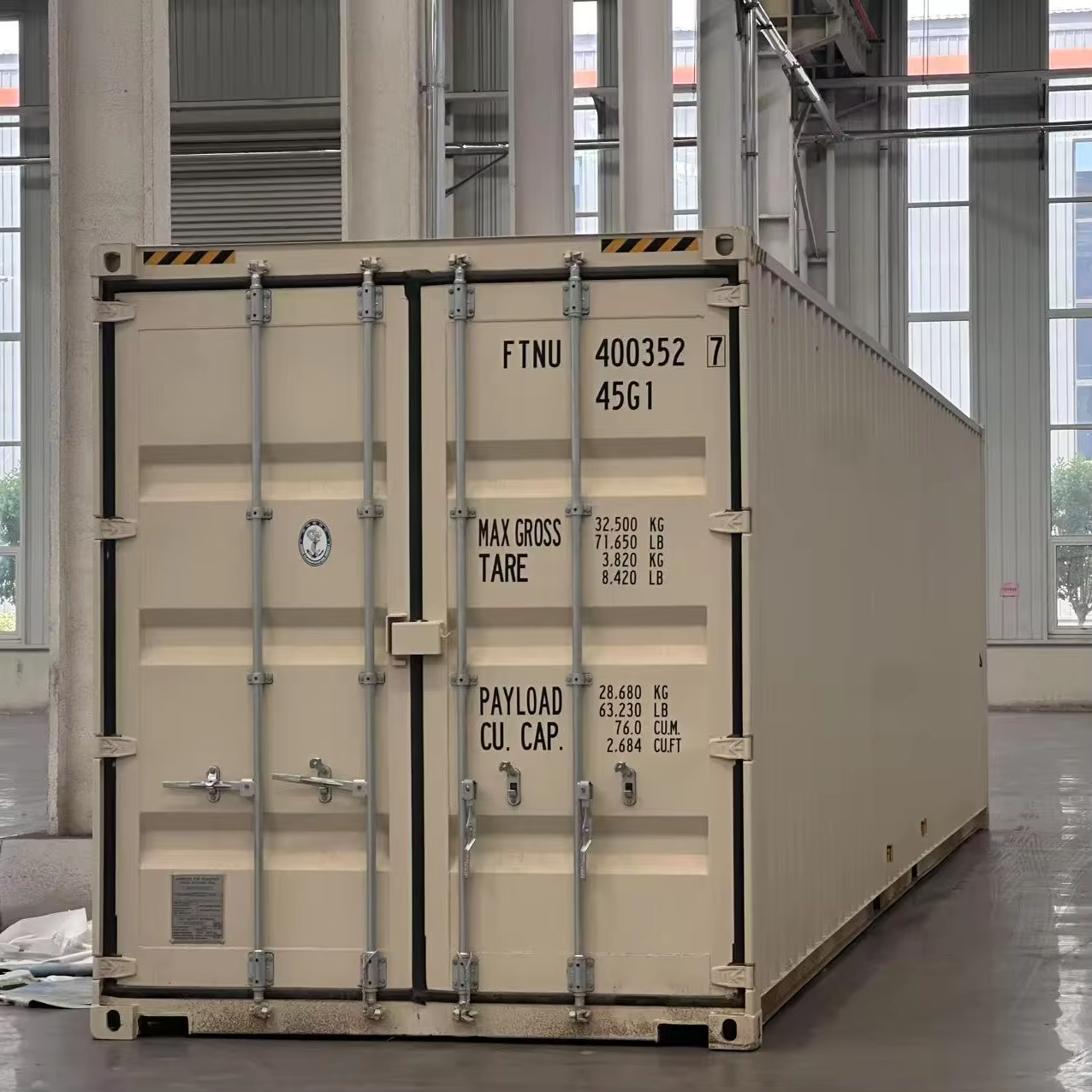
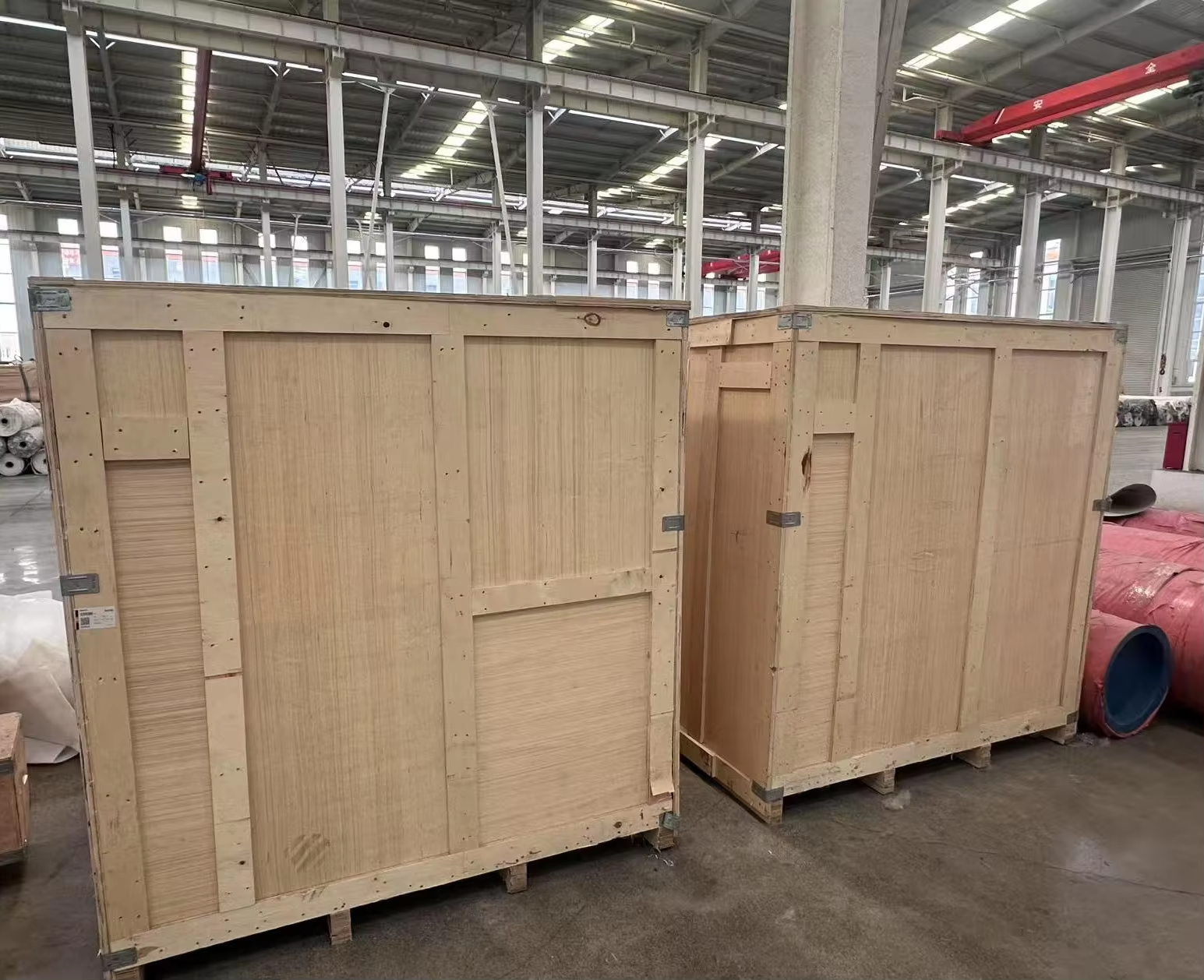
◉ Packing & Delivery
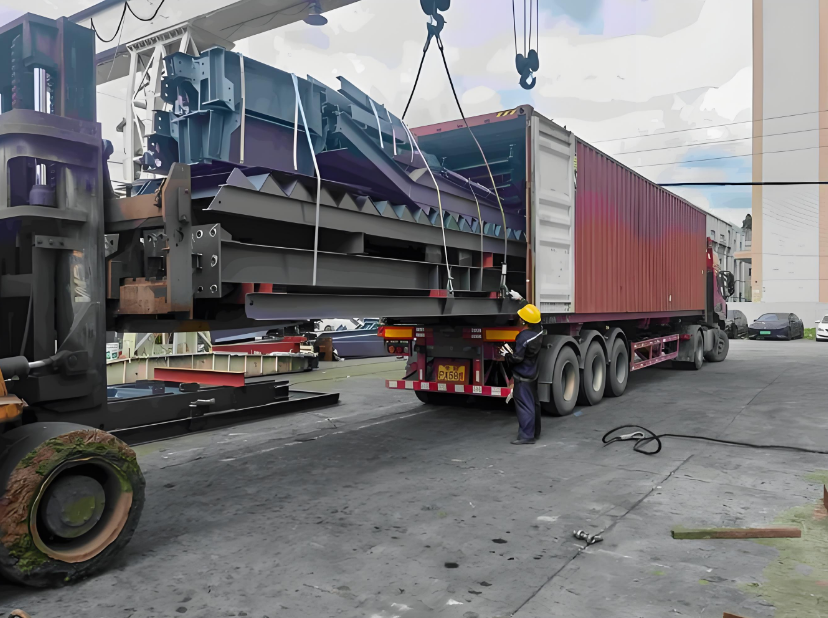
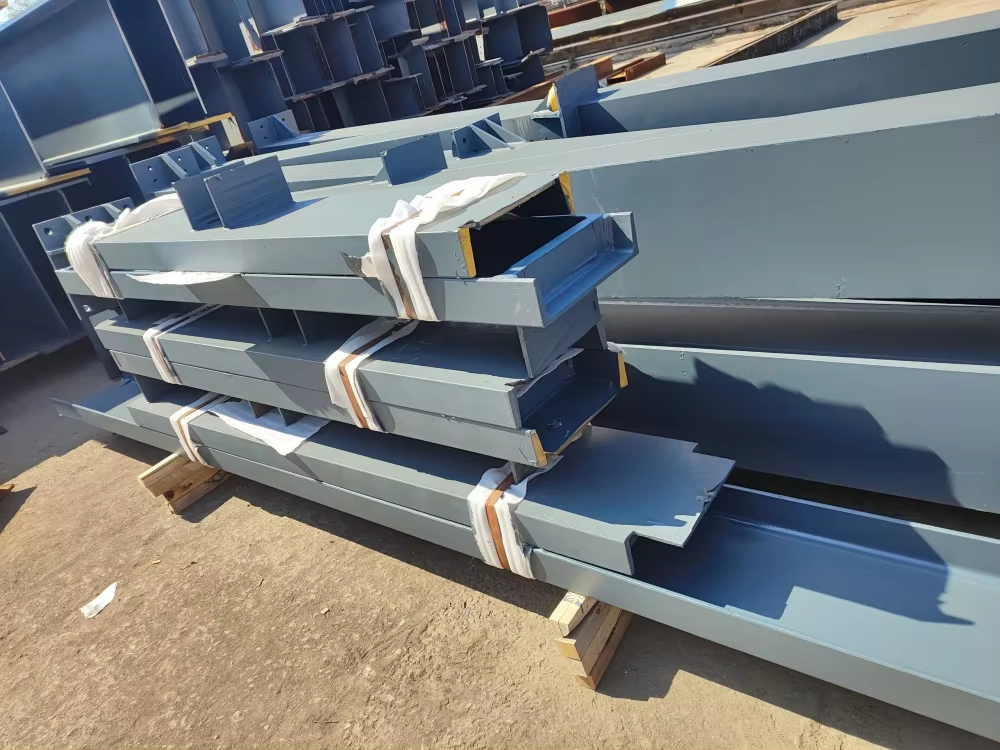
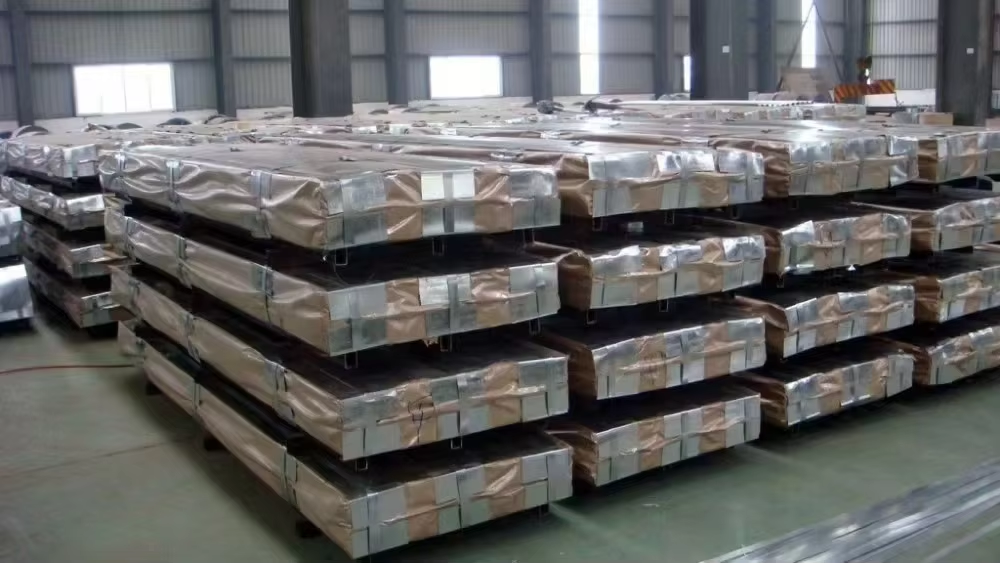
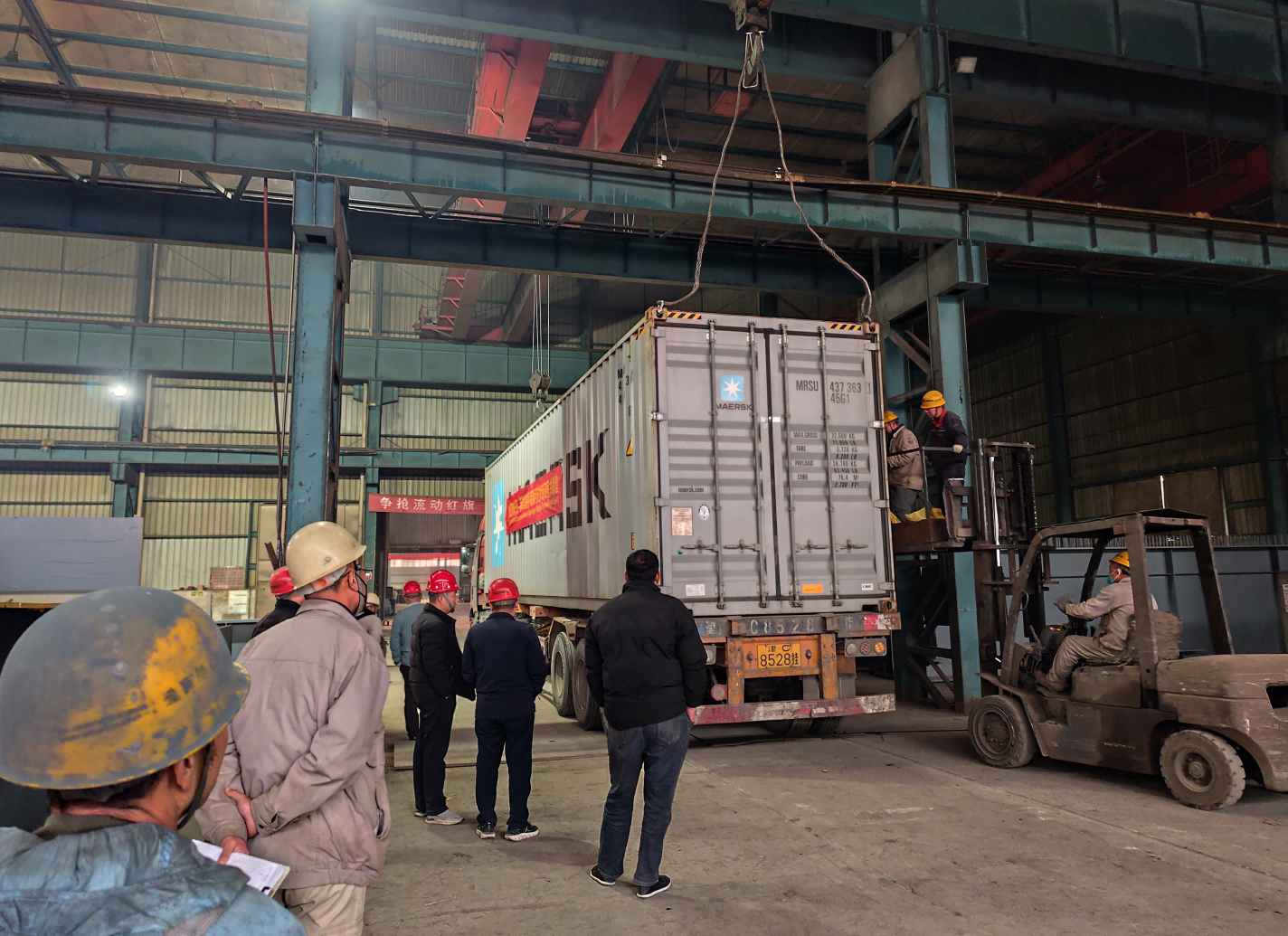
◉ FAQ
Q1:What metal materials do you supply?
A:We supply one-stop full range of metal materials: pure copper & brass, carbon steel, hot-dip galvanized steel, PPGI/PPGL color coated steel, 201/304/316 stainless steel, high temperature alloy, industrial aluminum profiles and various structural profiles. Sheets, coils, tubes, bars are all available for infrastructure, new energy, machinery, chemical and electrical industries.
Q2:Can you customize material grades, thickness and sizes?
A:Customization is available. For stainless steel, copper, aluminum, galvanized & color coated steel, thickness, width and length can be adjusted per ASTM & EN standards. Profiles can be cut to fixed length or custom moulded according to drawings. Special alloy materials can be ordered from steel mills.
Q3:What’s the difference between galvanized steel and color coated PPGI?
A:Galvanized steel only has zinc coating for basic anti-rust with lower cost, suitable for brackets, guardrails and load-bearing structures. PPGI is galvanized base with colored paint layer, anti-rust & decorative, widely used for factory roof/wall panels and equipment housings. Thick galvanized steel for rainy coastal areas, PPGI for decorative outdoor projects.
Q4:Do you have spot inventory? What’s your MOQ?
A:We own 10,000 tons standardized warehouse with spot carbon steel, stainless steel, galvanized, copper and aluminum materials. MOQ is 1 ton for standard sizes; small samples of dozens of kilograms are acceptable. No upper limit for bulk engineering orders, mixed container loading with multiple metals is supported.
Q5:How long is the delivery time for spot goods & customized goods?
A:Spot goods can be loaded within 3-7 days; simple cutting processing orders take 7-10 days; mould opening & special alloy customization takes 15-30 days, subject to specific specifications.
◉ Contact Us
◉ Product recommendation
Get real-time quotes
Interested? Leave your contact details.